
The short answer
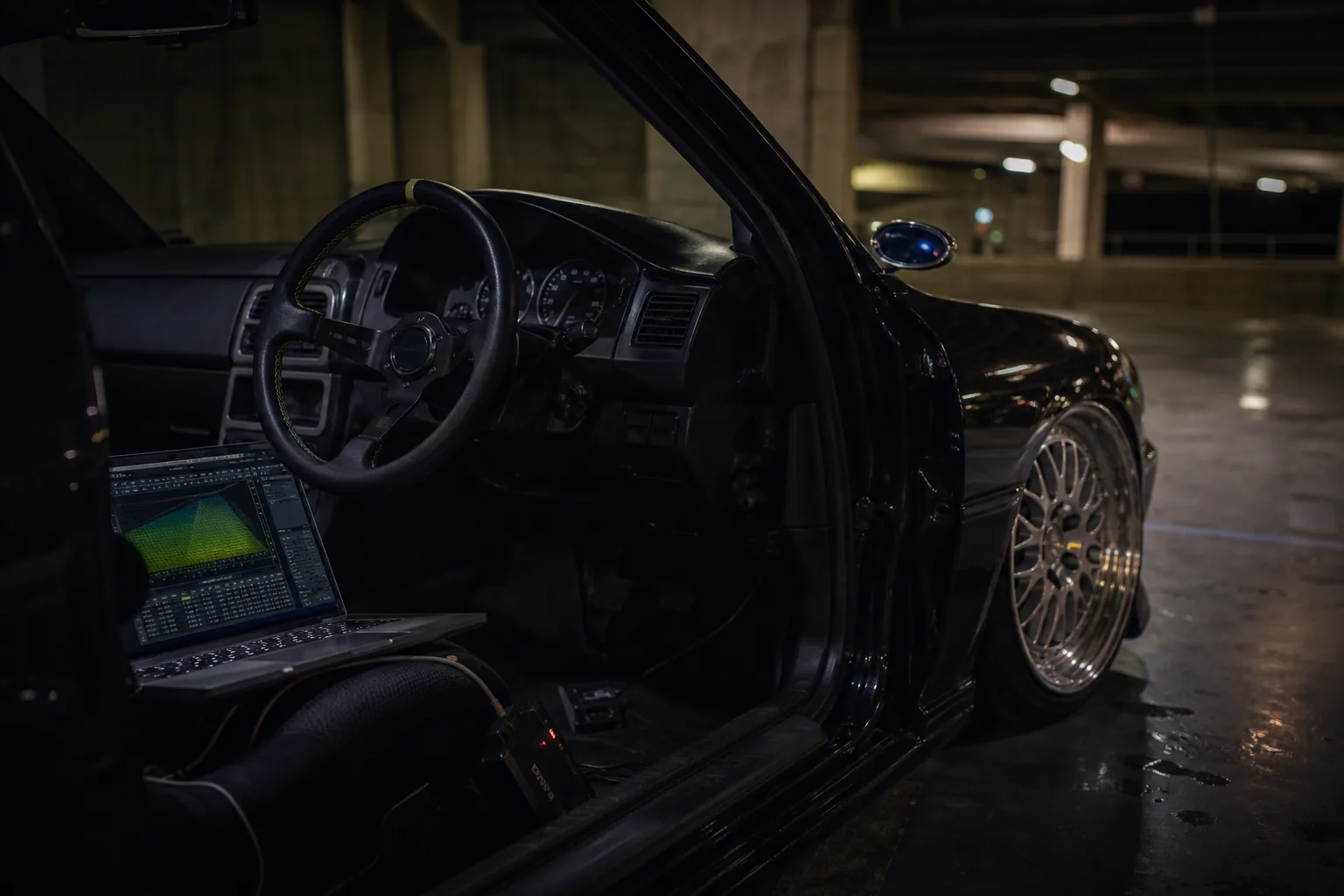
Yes. If a modification takes your car away from the manufacturer’s standard factory specification, you need to tell your insurer. That means alloy upgrades, remaps, exhausts, suspension changes, body kits, wraps, tints on front glass, and even a beefed-up audio system. If it was not on the car when it left the factory, it is a modification. Declare it.
Fail to declare and you risk having your policy voided. No payout on a claim, no cover, and potentially a criminal offence on your record.
Why this matters now
It is an evergreen rules piece, prompted by rising case numbers at the Financial Ombudsman Service. The FOS published guidance on 30 September 2024 warning that increasing numbers of vehicle owners were being left to pay significant sums because they unknowingly invalidated their car insurance through undeclared modifications.
Rachel Lam, ombudsman director of insurance at the FOS, said modifications “can have huge repercussions, increasing premiums, invalidating insurance or leaving unsuspecting car owners thousands of pounds worse off.”
How the law on disclosure works
The legal framework around disclosure shifted when the Consumer Insurance (Disclosure and Representations) Act 2012 (CIDRA) came into force on 6 April 2013. Before CIDRA, consumers had a broad duty to volunteer any material fact that might affect an insurer’s decision. CIDRA replaced that with a duty to take reasonable care not to make a misrepresentation when answering the questions an insurer actually asks.
What that means in practice: the insurer has to ask the right questions, and you have to answer them honestly and carefully. If your insurer asks whether the vehicle has been modified and you say no when it has, that is a misrepresentation. CIDRA applies across the UK, including Northern Ireland.
This is not a loophole. It is a framework. Answer every modification question accurately, and you have done your job.
Underneath all of this sits the Road Traffic Act 1988, which makes it a criminal offence to use a motor vehicle on a road or in a public place without at least third-party insurance. That is not negotiable.
What counts as a modification
An insurer defines a modification as any change that alters the vehicle from its manufacturer’s standard factory specification. That definition is deliberately wide. Cosmetic, mechanical, electronic or acoustic changes all count. So does anything fitted after the original manufacture date, even if it came from the same brand. The one carve-out is factory-ordered options that were part of the original build spec; those are not treated as modifications because they form part of the vehicle’s original specification.
Here is a working list of what usually requires declaration:
- Alloy wheel upgrades
- ECU remapping
- Sports exhausts and exhaust retuning
- Lowered or uprated suspension
- Body kits and spoilers
- Vehicle wraps
- Window tints
- Subwoofers and upgraded audio
- Performance air filters
- Security trackers, aftermarket alarms and immobilisers
Dash cams and parking sensors vary by insurer, so check your policy wording. Winter tyres are generally not required to be declared under standard ABI member policies, but again, check your specific terms.
Note on audio: even a stereo upgrade can push up your premium because insurers link enhanced audio systems to increased theft risk. Declare it anyway.
Note on security: Thatcham-approved trackers, alarms and immobilisers reduce theft risk and some insurers will cut your premium for them. You still have to declare them.
What happens if you do not declare
Two cases from the FOS guidance are worth reading carefully.
In the first, a driver had an accident and made a claim. The insurer investigated and found alloy wheels fitted three inches larger than the manufacturer’s standard size. The consumer said he did not know the wheels had been modified. The policy was voided.
In the second, a driver made a claim after an accident. The insurer discovered an undeclared ECU remap and exhaust retuning. The driver argued the modifications were already in place when he bought the car. The insurer produced evidence he was aware of them. The ombudsman agreed the insurer’s decision to void the policy was fair.
Buying a car with modifications already fitted does not protect you. The FOS is explicit: it is crucial that owners inform insurers of any modifications, even if they were made before the car was purchased.
When a policy is voided, the insurer treats the contract as though it never existed. They do not have to pay your repair costs. Under the Road Traffic Act 1988, they remain legally obligated to cover third-party costs, but they can then recover every penny of that payout directly from you. In a serious accident, that figure could run into hundreds of thousands of pounds.
On top of that, driving without valid insurance can result in six to eight penalty points, a substantial fine, and higher premiums for years afterwards.
Window tint: the numbers
Window tint deserves its own section because this is where people get caught out by the maths.
The Construction and Use Regulations set minimum Visible Light Transmission (VLT) levels. Your front windscreen must allow at least 75% of light through. Your front side windows must allow at least 70%.
Rear side windows and the rear windscreen have no legal minimum VLT. You can go as dark as you like on those without breaching the regulations.
The catch with the front glass limits is the combined VLT. The 75% and 70% thresholds apply to the glass and the film together, not the film alone. If your factory glass already passes 80% VLT and you add a film rated at 70% VLT, you multiply the figures: 0.80 x 0.70 = 0.56, or 56% combined. That fails the 70% front-side window limit by a wide margin.
Measure combined VLT before you fit front tints. And then declare the tint to your insurer regardless.
Where this applies
This is a legal and insurance topic, not a product. The relevant legislation applies across the UK. The Road Traffic Act 1988 covers Great Britain. Northern Ireland operates under the Road Traffic (Northern Ireland) Order 1981 for compulsory insurance, but the consumer disclosure obligation under CIDRA is UK-wide.
Who this applies to
Everyone who drives a modified car on UK roads, whether they built it themselves or bought it already modified.
If you are buying a used car from the modified scene, get the full modification history before you exchange money. Ask the seller for any paperwork on what has been changed. Once you drive it away, the responsibility for declaring those modifications sits with you.
If you are building a car in stages, tell your insurer at each stage. Do not wait until the build is finished. A mid-build modification that goes undeclared is still undeclared.
What is still uncertain
Insurers do not publish fixed premium uplift tables for specific modifications, so there is no reliable way to predict exactly what each mod will cost you in extra premium. The only way to know is to ask your insurer directly before you fit anything.
Practice can vary between insurers even for the same modification. One insurer might load your premium for a performance air filter; another might not flag it at all. Always ask in writing so you have a record.
Northern Ireland-specific insurer practices around modifications have not been independently verified for this piece. CIDRA applies UK-wide, but if you are insured through a Northern Ireland-based provider, confirm their specific requirements directly.
What to do next
- List every modification on your car, including anything that was fitted before you bought it.
- Contact your insurer or broker and declare each one. Do this in writing and keep the confirmation.
- If you are planning a new modification, call your insurer before fitting it. Some insurers will not cover certain mods at all; better to know that before the parts are bolted on.
- Check your front window tint combined VLT against the legal limits under the Construction and Use Regulations before fitting.
- If your insurer cannot accommodate your build, shop around using a specialist modified-car insurer. They exist, they understand the scene, and their underwriters are asking the right questions.
The rules are the spec sheet. Hit the numbers, declare what you have done, and you can build as far as you like within them.